
The Diabetes Plate, for every cuisine
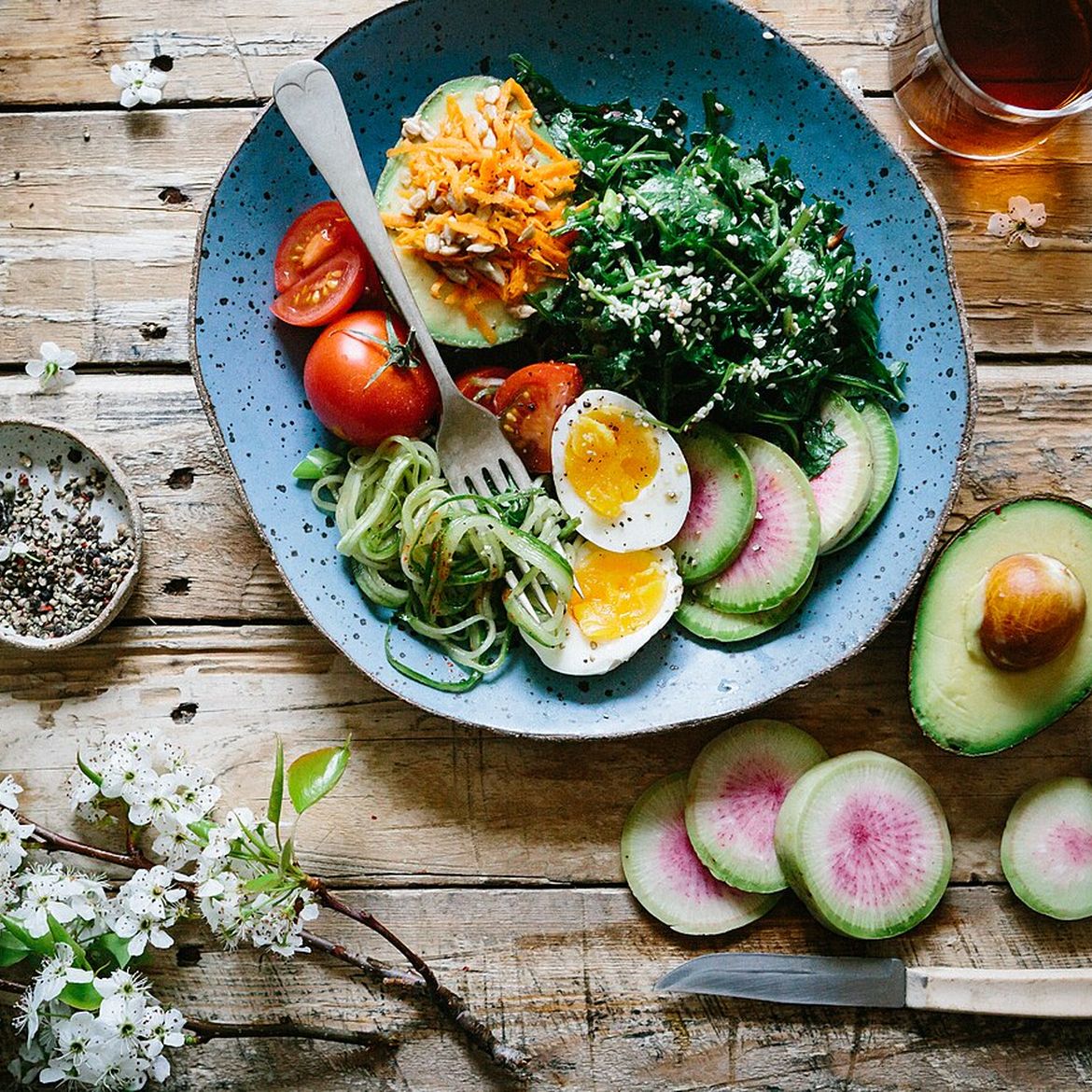
You don’t need to count every gram to eat well with diabetes or prediabetes. The Diabetes Plate Method controls the portion of starchy foods (the ones that affect blood sugar most) while filling you up with vegetables and protein. It’s also a healthy way to lose or maintain weight.
How to build the plate
Use a standard dinner plate:
- Half: non-starchy vegetables. Leafy greens, cabbage, cauliflower, tomatoes, okra, beans (green), peppers.
- One quarter: whole grains or starchy foods. Brown rice, millets, whole-wheat roti, oats, potatoes.
- One quarter: protein. Lentils, dried beans, tofu, paneer, eggs, fish or chicken.
On the side: a serving of fruit (one small apple, half a cup of berries or half a banana) or low-fat dairy such as yogurt, and a drink with zero or few calories, like water, or tea or coffee without sugar. Cook with healthy fats such as canola or olive oil, and enjoy a few nuts.
An Indian vegetarian plate
- Half: a vegetable sabzi (cabbage, beans or palak) plus a cucumber-tomato salad
- Quarter: one whole-wheat roti or a small scoop of brown rice
- Quarter: a bowl of dal, chana or rajma, or paneer or tofu
- Side: a small bowl of plain dahi
The idea is the same in every kitchen. It works with Vietnamese, African, Mediterranean or American meals: keep the vegetables generous, the starch to a quarter, and include protein.
Why it works
It’s simple and it doesn’t forbid anything, so people can stick with it for years rather than weeks. The vegetables are low in calories and high in fiber, vitamins and minerals, which helps with both blood sugar and fullness.
If you use Yukta Health, a photo of your plate shows the carbs, protein and fiber for that meal.
This is general guidance. If you have diabetes, work with your doctor or a registered dietitian on targets and medicines.