
How to choose healthy fats and oils
Everyone needs fat for energy, healthy skin and absorbing some vitamins. But the type matters, and so does the amount, because all fats carry the same calories.
Good fats: unsaturated
Mostly from plants and fish, and liquid at room temperature. They help lower LDL (“bad”) cholesterol.
- Olive oil has the most monounsaturated fat. Use extra-virgin for dressings, dips and low-heat cooking; “light” olive oil means lighter flavour and colour, not fewer calories.
- Canola oil is affordable and mild with a high smoke point, a good everyday cooking oil.
- Peanut, safflower and sunflower oils are good all-purpose oils.
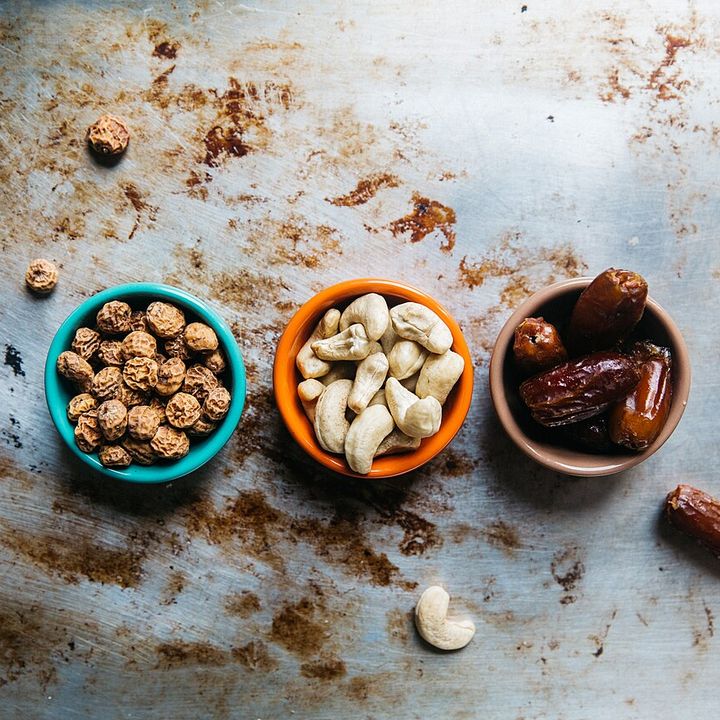
- Hidden good fats: fatty fish such as salmon, trout and sardines; avocados; nuts such as walnuts and almonds; and seeds such as flax and chia.
Limit: saturated fats
Mostly from animals and solid at room temperature: butter, ghee, cream, cheese, fatty meats and poultry skin, plus coconut and palm oil. They raise LDL cholesterol. Choose lean cuts, fish, beans, lentils and tofu more often.
Avoid: trans fats
The worst kind: they raise LDL and lower HDL (“good”) cholesterol. Look for “partially hydrogenated” in the ingredient list. They have been largely removed from US foods, but check pastries, frostings, some margarines and imported products such as vanaspati.
One thing to watch on labels: “0 g trans fat” can still mean up to half a gram per serving, and if you eat two servings, it adds up. Always read the ingredients.
Remember LDL and HDL
HDL is healthy, so keep it high. LDL is the one to keep low.
So, in short: cook mostly with unsaturated oils, in moderate amounts. Grill, roast, sauté or steam more often than you deep-fry. Choose lean proteins, and read labels.